
Remakes and Nostalgia: The Commercial Logic Behind Revived Games
Introduction: Why Old Games Keep Coming Back
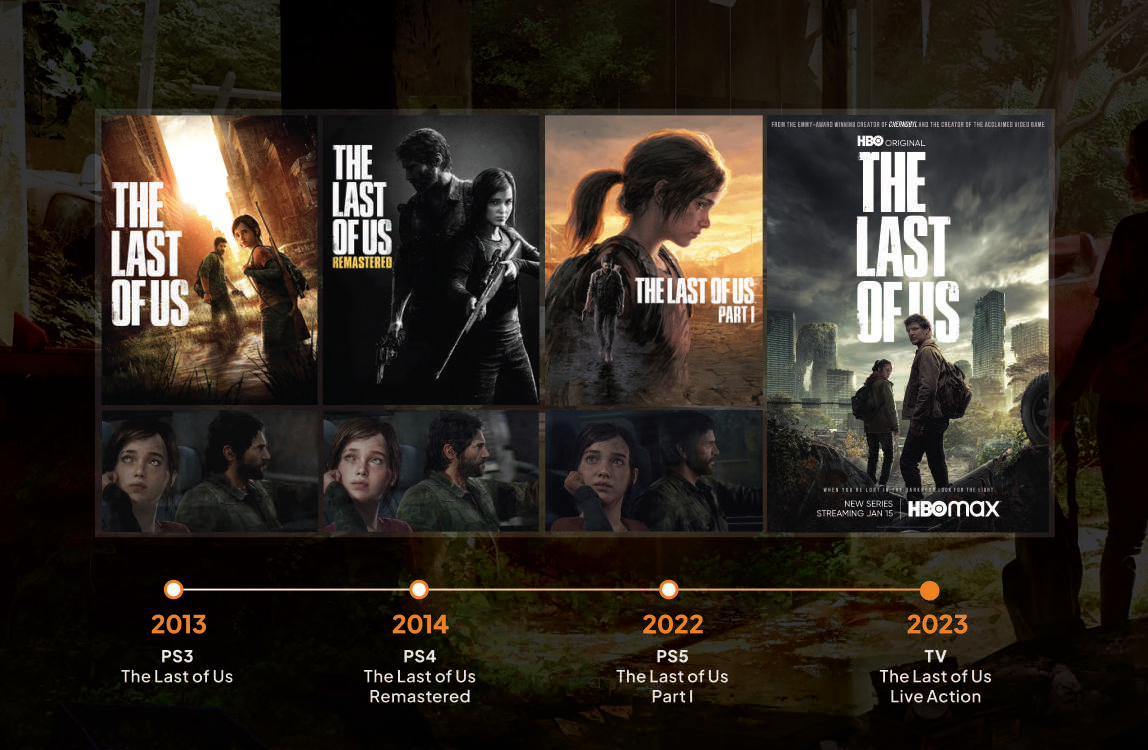
By 2024 and 2025, gaming has entered what many call the era of revival. More than half of the most discussed AAA releases in recent years have been remakes, remasters, or spiritual successors. Resident Evil 4 Remake sold 5 million copies within its first four months. The Last of Us Part I remake surged in popularity alongside HBO’s acclaimed TV adaptation. Even cult classics like System Shock have returned with polished updates.
This is not a coincidence. Nostalgia has become one of the most reliable growth levers in the games industry. Revived games offer players comfort in familiar stories while delivering enough polish to meet modern expectations. For publishers, they represent a rare combination: lower risk, strong ROI, and built-in marketing power.
But the commercial logic behind these games runs deeper than sentiment. They speak to changing player psychology, a maturing industry, and an ecosystem where attention is scarcer than ever.
Understanding the Difference
A remake involves a ground-up recreation of a classic game, retaining the core narrative and characters while entirely re-engineering the experience with new assets, modern gameplay mechanics, and contemporary design. Examples include Resident Evil 2 (2019) and Dead Space (2023), which transformed original fixed-camera perspectives into modern third-person views.
Remasters, in contrast, are less extensive, offering a "modern facelift" through upgraded visuals, sound, and resolution, while largely preserving the core code and gameplay. These are typically for more recent titles benefiting from performance enhancements, such as Alan Wake Remastered.
A spiritual successor is a new IP created by original developers or inspired teams, capturing the thematic and mechanical essence of a classic without using its direct name. Doom (2016), which revitalized the original's fast-paced combat, and BioShock, inspired by System Shock, are prime examples.
Why Nostalgia Sells: The Consumer Psychology
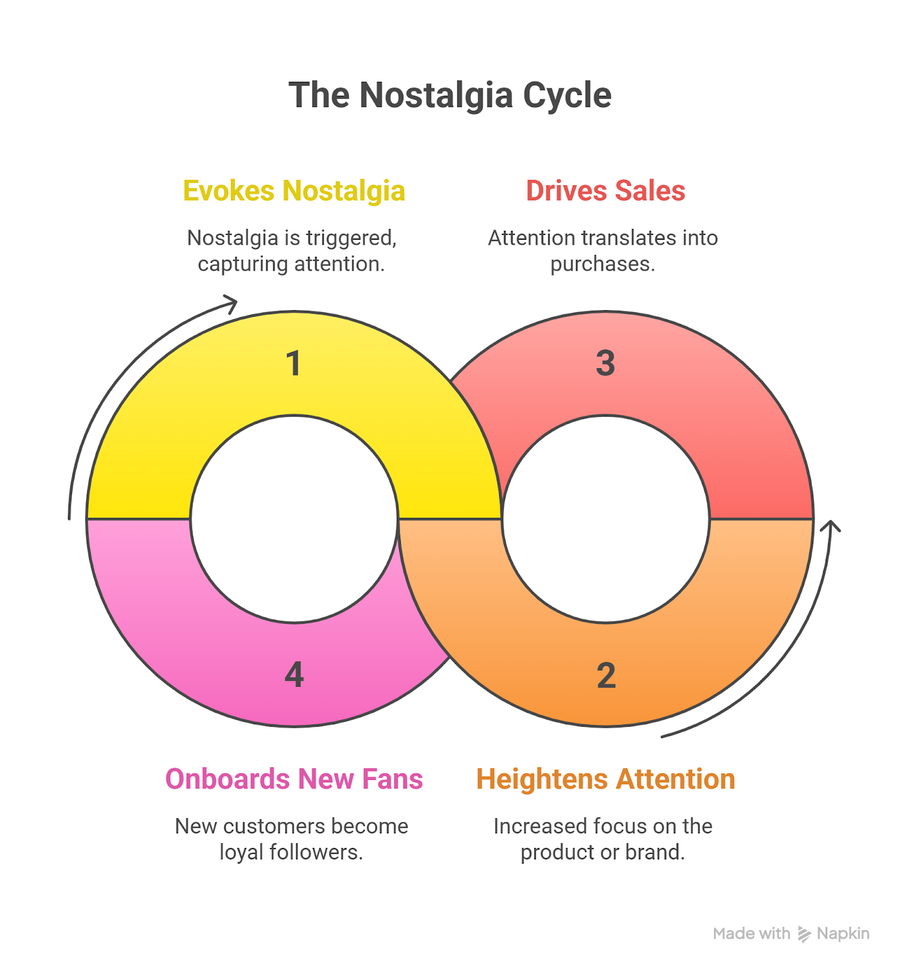
Nostalgia acts as an economic force instead of an emotion. Players return to remakes because they provide psychological safety, familiarity, and a sense of belonging in an otherwise uncertain world.
During the COVID-19 pandemic, studies showed that nostalgia-based media consumption rose significantly as people sought comfort. Games offered not only replayable mechanics but also a return to childhood moments.
Memes, stream culture, and online communities amplify this effect. A single clip comparing “how it started” (the original) versus “how it’s going” (the remake) can spread across TikTok, YouTube, and Twitch within hours. In this sense, nostalgia acts as both an emotional anchor and a viral marketing vector.
This psychological ladder explains why remakes spread so effectively; they allow both passive enjoyment and active cultural participation.
The Business Logic for Studios and Publishers
For publishers, nostalgia-driven projects are more strategic than sentimental. Developing a new AAA IP costs anywhere between $80 million and $200 million, with marketing often doubling that figure. The risk of failure is high, especially in a crowded market.
By contrast, remakes and remasters carry lower creative risk. Studios can build on known IPs with existing fan bases, rely on proven mechanics, and forecast demand more accurately. This is why Capcom’s Resident Evil remakes have consistently exceeded sales forecasts and why Square Enix has committed to a multi-part Final Fantasy VII Remake trilogy.
Commercial outcomes are compelling:
Crash Bandicoot N. Sane Trilogy revived a dormant franchise, selling 20 million+ copies and leading to a new sequel.
Pokémon Brilliant Diamond/Shining Pearl (2021) sold 15 million copies, outperforming many new entries in the series.
Remakes also extend the life of IP across transmedia. The Last of Us remake directly benefited from HBO’s adaptation, while Silent Hill 2’s upcoming remake might be positioned to coincide with a film reboot.
Spiritual Successors: When IP Can’t Be Touched
Not every developer has the right to a beloved IP. But nostalgia can still be leveraged through spiritual successors, games that evoke the feel of a classic without directly copying it.
Examples include:
Yooka-Laylee, a modern callback to Banjo-Kazooie.
BioShock, which evolved from System Shock’s DNA.
Hollow Knight: Silksong, a spiritual continuation of Metroidvania traditions.
These games attract both old fans who crave familiar mechanics and new players who discover them as original works. For investors, spiritual successors can be as commercially viable as remakes while sidestepping licensing barriers.
Risks of the Remake Economy
The remake boom is not without downsides.
Market Saturation – Too many remakes risk crowding out innovation. In 2023–25, over a dozen AAA studios announced remakes in parallel, leading to criticism that the industry was “stuck in its past.”
Fan Backlash – Poorly executed remakes can backfire spectacularly. The GTA Trilogy Definitive Edition was widely panned for bugs and visual downgrades, hurting Rockstar’s reputation.
Opportunity Cost – Budgets spent on remakes might have funded new IP. Critics argue this could slow the industry’s creative evolution.
Consumer surveys reflect this ambivalence. A YouGov poll in 2023 found that only 41% of gamers in the UK plan on buying the new GTA VI when it eventually releases. This paradox shows nostalgia can sell, but not without long-term risks.
While development costs for remakes can be 30-50% (estimated depending on the assets) lower than new AAA titles, their success hinges on a delicate balance between authentic preservation and modern innovation.
Case Studies: Success vs Failure
Resident Evil Remakes – Capcom’s template of faithful recreation plus modernization has paid off. Resident Evil 2 (2019) sold 12.6 million copies, nearly matching the lifetime sales of the original. RE4 Remake maintained the momentum, reinforcing Capcom’s IP dominance.
Crash Bandicoot N. Sane Trilogy – A textbook revival. Low development risk, high nostalgic pull, and strong sales led to franchise reinvigoration.
Final Fantasy VII Remake – A hybrid approach. Rather than a one-to-one remake, Square Enix expanded the story, creating a trilogy that both feeds nostalgia and sets up new lore.
GTA Trilogy: The Definitive Edition – A cautionary tale. Released in 2021, it suffered from poor technical execution, fan backlash, and removal of original versions, damaging Rockstar’s brand equity.
The Future of Remakes and Nostalgia in Gaming
Where does the industry go from here? Several trends are emerging:
AI and Machine Learning – Procedural upscaling and automated asset recreation could slash remake costs, making mid-tier remakes more common.
Subscription Models – Platforms like Game Pass and PS+ benefit disproportionately from remakes, as recognizable titles drive subscriptions. Expect more catalogue-driven remasters for these services.
Generational Shift – Nostalgia cycles are shortening. Already, games from the early 2010s like Skyrim and The Last of Us are being remade, suggesting that in a decade, Fortnite or even Among Us could see “nostalgic” reboots.
Hybrid Models – More studios will follow Square Enix’s path: remakes that expand or reinvent the original instead of simply retelling it.
Conclusion: Nostalgia as a Growth Lever, Not a Crutch
The surge of remakes, remasters, and spiritual successors underscores how nostalgia has become a powerful engine for growth. These projects offer players emotional resonance and studios' commercial stability. They bridge generations, extend IP lifespans, and reduce acquisition costs in an era of skyrocketing budgets.
But the industry must tread carefully. Relying too heavily on the past risks stalling creativity and alienating audiences hungry for fresh experiences. The healthiest path is balance: using nostalgia as a catalyst while investing in bold, original IP that can inspire future remakes decades down the line.
The commercial logic of nostalgia is undeniable. The question for studios, investors, and players is whether it becomes a stepping-stone to new futures or a loop that keeps the industry trapped in yesterday’s worlds.
This is part of how we think about interactive entertainment. Read our thesis, see the companies we back, or tell us what you're building.