
The Meme-ification of Games: How Humour Became a Growth Strategy
Games as Cultural Jokes That Spread
Video games and internet memes have become inseparable. A game is no longer confined to its code, mechanics, or story; it now lives as an inside joke that spreads across group chats, TikTok, and Twitch streams. From mistranslations to absurd physics and bugs/glitches, a single moment can travel further than any official trailer.
This phenomenon is not new, but was seen rarely before this decade. In the early 2000s, Zero Wing gave the world “All your base are belong to us,” a line that exploded through GIFs and flash animations. A few years later, World of Warcraft players immortalised “Leeroy Jenkins,” a chaotic raid gone wrong that became a viral clip and a Blizzard Easter egg. By 2011, Skyrim’s “arrow in the knee” joke dominated forums.
The pattern is consistent: players latch onto a funny, unexpected, or absurd moment, then replicate it endlessly across platforms. What used to be accidents now form a predictable cycle of cultural diffusion.
From Joke to Marketing Engine
Memes are now a marketing engine that drives discovery, installs, and revenue, often more efficiently than traditional advertising.
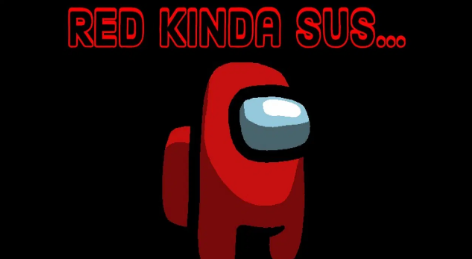
Among Us is the clearest example. Released in 2018, it languished in obscurity until mid-2020, when Twitch streamers and TikTok creators amplified its “sus” jokes. Within months, the game hit more than 100 million downloads and 4.3 million concurrent players at peak. InnerSloth, the studio behind it, admitted that its meme-driven Twitch presence produced 50 times more sales than any marketing campaign they had attempted.
The same playbook worked for Goat Simulator (2014). Built as a joke prototype with ragdoll physics, its viral trailer turned into millions of sales. By early 2015, the game had sold 2.5 million copies (lifetime) and generated over $12 million in the release year, dwarfing the studio’s previous projects.
Roblox, with its user-generated ecosystem, shows meme-ification at scale. The bizarre “Skibidi Toilet” series inspired dozens of Roblox spinoffs. By 2025, had meme-inspired creations like Shrek in the Backrooms and Doors, each pulling millions of visits.
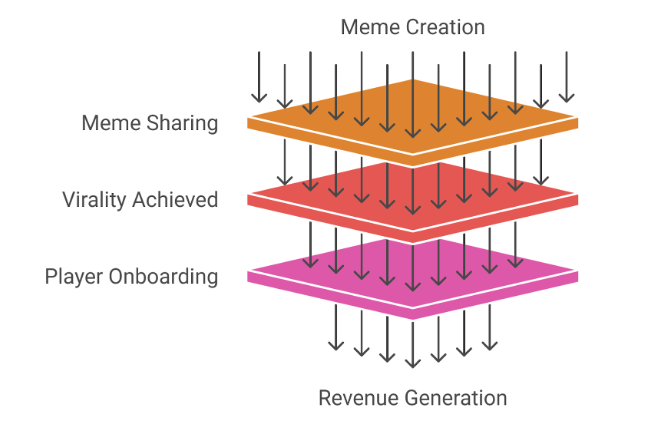
The economics here are striking. Traditional mobile UA campaigns often cost around $1–2 per install for Android and $4-5 per install for iOS, with top-tier publishers spending millions monthly to sustain user bases. Meme virality bypasses this entirely. A viral TikTok clip can produce hundreds of thousands of installs overnight for effectively zero spend. The funnel is simple: a clip spreads, people share, downloads surge, and revenue follows.
Meme-Ready Game Design
Developers have recognised this pattern and increasingly design with memes in mind.
Fortnite is the most visible example. Epic Games built it as a cultural recycling machine, pulling dances, jokes, and celebrities directly into its ecosystem. By 2025, the game had amassed 800 million accounts, with part of its growth tied to emotes like “Floss” and “Take the L”, both viral dance memes first popularised on YouTube and TikTok. These moments became clip factories, ensuring that every session could generate something shareable.
“Joke games” form their own subgenre. I Am Bread turned the act of controlling a slice of bread into comedy. Human: Fall Flat embraced ragdoll clumsiness, producing countless clips of players fumbling through puzzles. Fall Guys built cartoonish battle royales where silly costumes and slapstick physics practically guaranteed social shares.
Deliberate absurdity has become a feature. Ragdoll physics, glitchy environments, and customizable avatars all increase the odds of meme creation. In effect, developers are building games not just to be played, but to be clipped, shared, and remixed.
The Psychology of Memes in Gaming
Why do memes resonate so strongly with today’s players? The answer lies in how humour, identity, and belonging intersect in digital culture.
For Gen Z and Gen Alpha, memes are a primary language of expression. A simple phrase like “sus” or an inside joke like “you’re finally awake” carries layers of shared meaning. Memes allow players to signal in-group belonging, participate in collective humour, and craft online identity.
This can be mapped onto a hierarchy of needs for meme engagement:
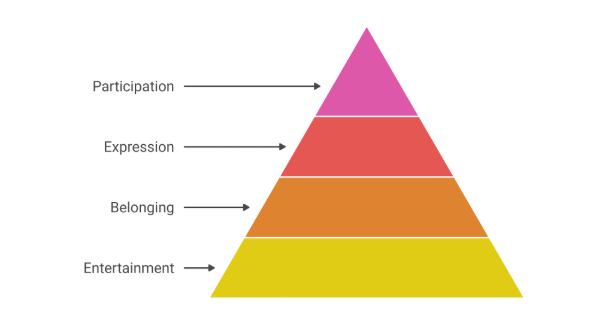
Entertainment – Players first consume memes for laughs.
Belonging – Sharing memes with friends reinforces group identity.
Expression – Referencing memes becomes shorthand for personality or taste.
Participation – The highest level is when players create their own memes through mods, fan art, or content.
Generational psychology adds another layer. Gen Z humour is often surreal, fragmented, and rapid-fire, reflecting the chaotic media environment they’ve grown up in. Attention spans are shorter, irony is valued, and absurdism feels authentic in a world where traditional marketing feels stale. In this environment, memes provide quick dopamine hits while doubling as identity markers.
For players, contributing to a meme ecosystem feels like playing the game outside the game. Sharing a funny clip or remixing a joke becomes part of the play experience. This participatory culture explains why memes extend engagement beyond the screen: the game lives on in Discord chats, TikTok edits, and Twitter threads.
The Economics of Meme-ification
The financial implications of meme-driven games are significant. Traditional user acquisition campaigns for mobile titles can cost millions in advertising. Meme-driven growth compresses cost dramatically while offering stronger organic engagement.
User Acquisition:
Ad-driven installs: $1–2 per install for Android and $4-5 per install for iOS
Meme-driven installs (although also counted as organic, as there are no limitations for a meme’s virality): near zero. Among Us and Flappy Bird both scaled globally without traditional spend.
Revenue Impact:
Flappy Bird earned ~$50,000 per day at its peak.
Goat Simulator generated $12 million within a year of launch.
Retention Risks:
The downside of meme-driven growth is volatility. Meme cycles move quickly, and games that rely purely on virality often collapse just as fast. Fall Guys surged to tens of millions of players in 2020, only to lose momentum when memes moved on. Similarly, Flappy Bird vanished from stores within a year despite massive success.
By contrast, evergreen games like Minecraft and Fortnite succeed because they turn meme attention into long-term ecosystems. They update consistently, encourage user-generated content, and adapt to cultural trends.
Conclusion: Memes as Catalysts, Not Shortcuts
The meme-ification of games is a structural shift in how players discover, engage with, and spread games. Humour feels like a design principle, a marketing engine, and an economic driver.
But meme-driven success is not guaranteed or permanent. Virality can create unsustainable spikes if not paired with depth, replayability, and long-term community support. The most successful games harness memes as catalysts, sparks that ignite awareness, while building resilient systems to sustain players after the meme fades.
Looking ahead, the role of AI and generative tools may accelerate this dynamic. Developers could experiment with automatically generating meme-ready moments or testing which mechanics drive shareability. The risk, however, is oversaturation: if every game chases memes, players may tire of the gimmick and return to titles that offer more meaningful play.
In the end, memes are best seen as multipliers. They amplify attention, reduce acquisition costs, and embed games into culture. But they cannot replace solid design. The future belongs to games that balance virality with substance, turning fleeting jokes into communities that last.
This is part of how we think about interactive entertainment. Read our thesis, see the companies we back, or tell us what you're building.